.png)
Do you snore loudly? Do you wake up feeling tired despite sleeping for 7–8 hours, or has your partner noticed pauses in your breathing while you sleep? These symptoms may indicate an underlying sleep disorder such as Obstructive Sleep Apnoea (OSA), a condition that often goes undiagnosed for years.
A Level 2 Sleep Study is an advanced home-based sleep assessment that records multiple physiological parameters while you sleep, performed using specialised monitoring equipment you wear overnight in your natural sleeping environment. Unlike basic screening tests, it provides detailed information on breathing patterns, oxygen levels, sleep quality and potential sleep disorders.
At Healthy Chest & Sleep Clinic, Dr. Vishal Sharma offers Level 2 Sleep Studies as part of a comprehensive sleep medicine program designed to diagnose sleep disorders accurately and guide effective treatment.
Book a consultation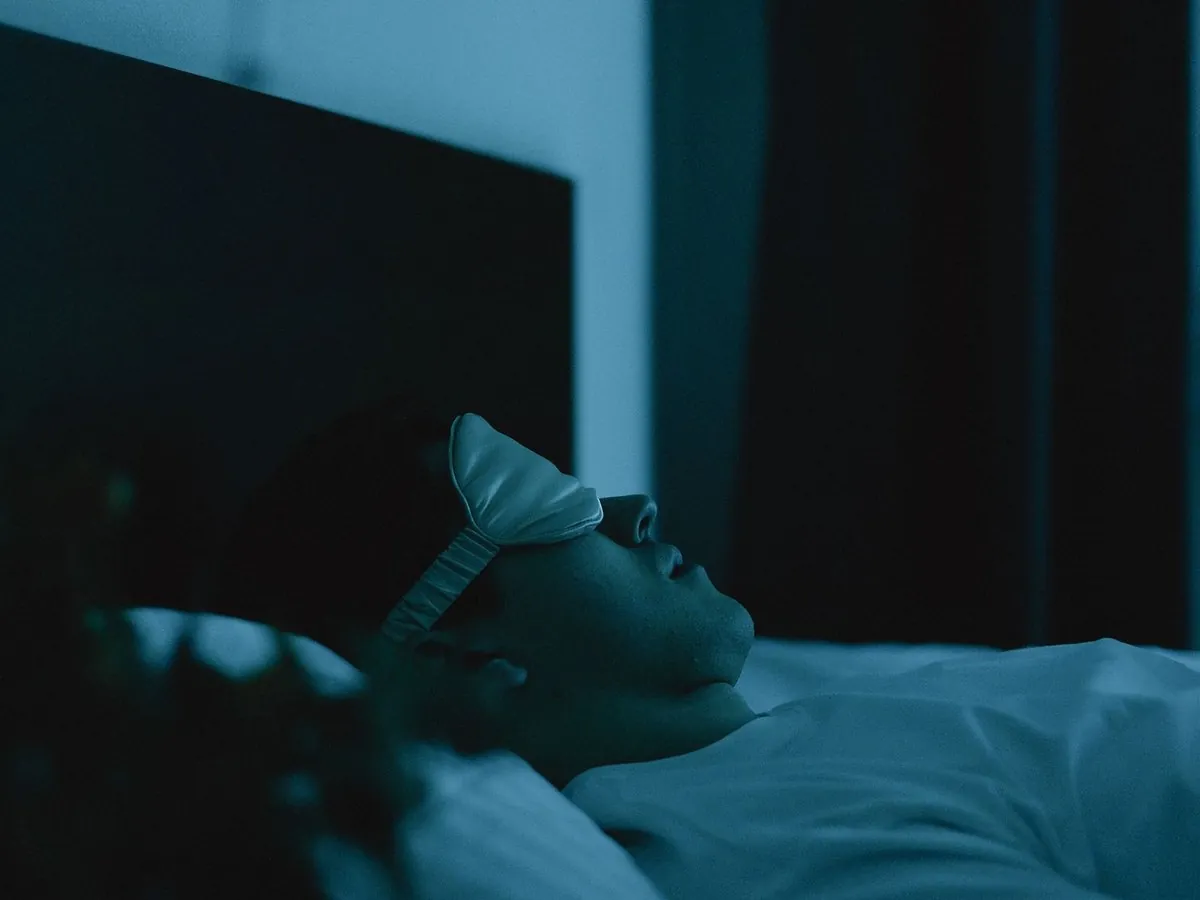
Identifying the problem early allows timely treatment and better long-term health outcomes. Untreated sleep disorders can contribute to:
Excessive sleepiness throughout the day
Reduced focus and cognitive performance
A common but overlooked contributor
Increased cardiovascular risk over time
Associated with metabolic disturbances
Mood disturbances and reduced productivity
You may benefit from a Level 2 Sleep Study if you experience any of the following warning signs.
Persistent snoring is one of the most common warning signs of sleep-disordered breathing.
Feeling tired despite adequate sleep duration.
Family members notice that you stop breathing during sleep.
Frequent headaches upon waking.
Repeated awakenings or unrefreshing sleep.
Sleep disorders often affect memory, focus and cognitive performance.
Sleep apnoea is a common cause of resistant hypertension.
Excess weight raises the risk of sleep-related breathing disorders.
The most common sleep-related breathing disorder.
Conditions affecting airflow and oxygen levels during sleep.
Episodes where oxygen levels drop while sleeping.
Repeated interruptions in normal sleep architecture.
Assessment of snoring severity and associated breathing abnormalities.
The study records multiple parameters during sleep to build a comprehensive picture of what happens while you sleep.
Tracks airflow and respiratory effort throughout the night.
Measures oxygen levels while sleeping.
Monitors cardiovascular responses during sleep.
Identifies whether symptoms worsen in certain sleeping positions.
Detects apnoeas, hypopnoeas and breathing interruptions.
Provides insight into overall sleep health.
The recorded data is reviewed in detail.
Dr. Vishal Sharma interprets the findings within the context of your symptoms and medical history.
Any identified sleep disorder is explained clearly.
A personalised management strategy is developed based on the severity and nature of the condition.
The goal is to improve sleep quality, restore energy levels and reduce long-term health risks. Recommendations may include:
Practical changes to support healthier sleep.
Support to reduce weight-related risk factors.
For patients whose symptoms worsen in certain positions.
An effective treatment for moderate to severe apnoea.
Additional testing when required.
Tracking progress and treatment effectiveness over time.
Comprehensive management of sleep-related breathing disorders.
Modern sleep assessment technologies and evidence-based interpretation.
Every patient's sleep disorder and treatment requirements are unique.
Improving both immediate symptoms and long-term health outcomes.
Managing sleep disorders within the broader context of respiratory health.
If you experience snoring, daytime fatigue, breathing pauses during sleep or unexplained tiredness, a Level 2 Sleep Study can help uncover the cause and guide effective treatment. Consult Dr. Vishal Sharma to schedule your sleep assessment.