.png)
Lung cancer occurs when abnormal cells in the lungs begin growing uncontrollably. It is one of the most common respiratory cancers worldwide and can affect both smokers and non-smokers.
When detected early, treatment options are often more effective and may offer significantly better outcomes. This is why persistent respiratory symptoms should never be ignored.
At Healthy Chest & Sleep Clinic, Dr. Vishal Sharma provides comprehensive evaluation, diagnosis and management guidance for patients with suspected or confirmed lung cancer.
Book a consultation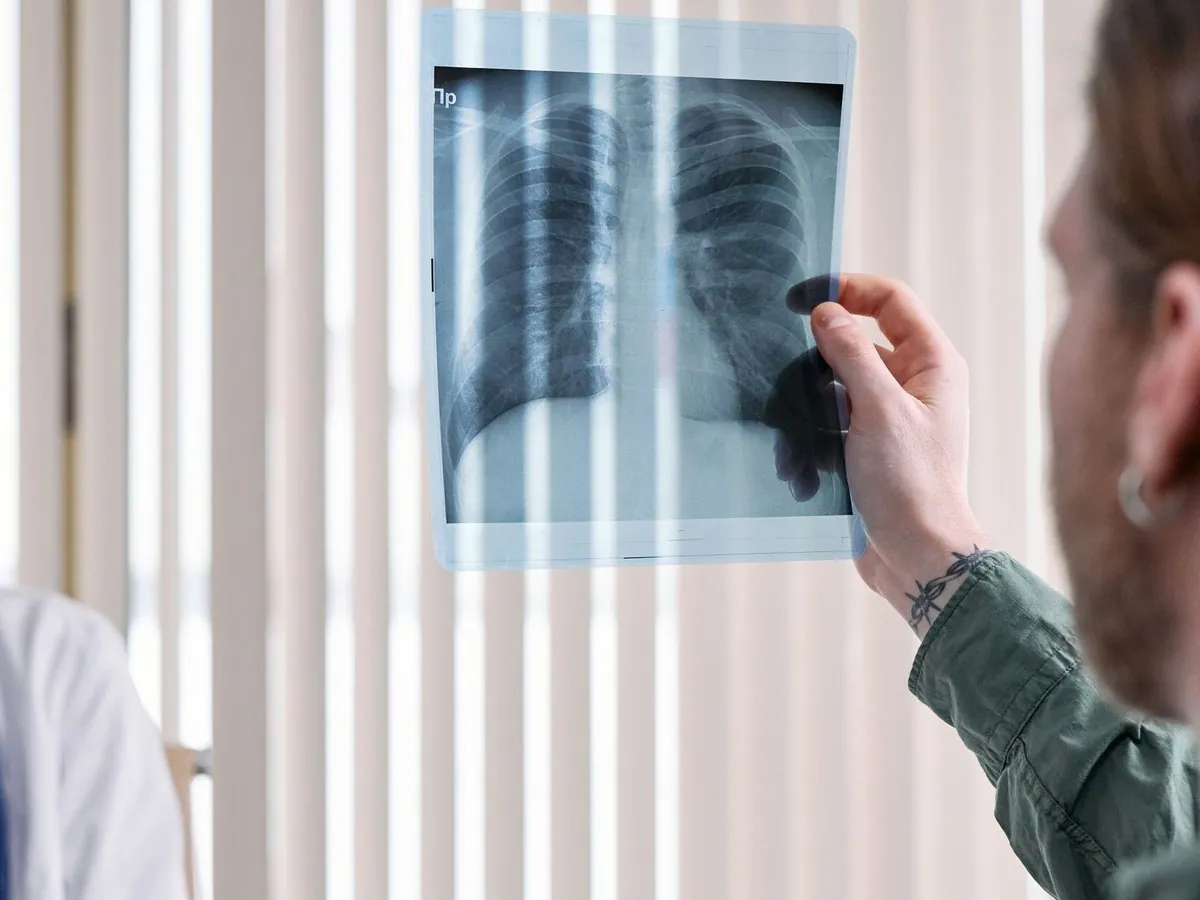
You should consult a pulmonologist if you experience any of the following. Many of these symptoms can occur due to conditions other than cancer, which is why specialist evaluation is essential.
A cough lasting several weeks
Coughing up blood-stained phlegm
Losing weight without trying
Increasing difficulty breathing
Persistent discomfort in the chest
A change in the sound of your voice
Infections that keep coming back
An abnormal chest X-ray or CT scan
Certain factors can increase the risk of lung cancer. However, lung cancer can also occur in individuals with no history of smoking.
Current or previous smoking history.
Exposure to second-hand smoke.
Ongoing exposure to polluted air.
Workplace contact with chemicals or dust.
A family history of lung cancer.
Long-standing respiratory conditions.
In most cases, a lung nodule does not automatically mean cancer. Avoiding panic and obtaining expert evaluation is the most important next step.
Determining whether the nodule is benign or suspicious.
Deciding whether further imaging is required.
Assessing whether tissue sampling is needed.
Appropriate follow-up recommendations for you.
We help patients navigate the diagnostic process with clarity and confidence, from initial assessment through to coordinated specialist care.
Understanding symptoms, risk factors, medical history and imaging findings.
Careful assessment of chest X-rays, CT scans, PET-CT findings and previous imaging studies.
Depending on findings, further investigations may be advised to establish a definitive diagnosis.
Collaboration between pulmonologists, oncologists, radiologists, pathologists and thoracic surgeons.
Early-stage lung cancer may cause very few symptoms. Early evaluation remains one of the most powerful tools in lung cancer care.
More choices may be available when caught early.
Earlier care can lead to better results.
Lowering the risk of disease-related problems.
Supporting comfort and daily functioning.
Improving long-term survival rates.
A lung cancer diagnosis can be overwhelming for both patients and families. Every patient deserves personalised, compassionate care during this time.
Honest, understandable explanations at every stage.
Helping you make informed decisions.
Connecting you with the right specialists.
Supporting breathing comfort throughout.
Extensive experience in evaluating complex respiratory diseases and suspicious lung findings.
Helping patients reach an accurate diagnosis efficiently and safely.
Clear explanations, informed decision-making and compassionate support.
From initial symptoms to diagnosis and ongoing respiratory care.
Whether you are experiencing concerning symptoms or have been advised to investigate an abnormal lung finding, consult Dr. Vishal Sharma for comprehensive lung cancer assessment, diagnostic guidance and personalised respiratory care focused on the best possible outcomes.